
When a clogged drain is an emergency.
Some clogs can wait for the morning. These cannot, because the next flush or load of laundry makes them worse.
- Water rises in a tub or shower floor drain when you flush a toilet or run the washer..
- Two or more fixtures on different floors drain slowly at the same time..
- A toilet bubbles or burps when a sink upstairs empties..
- Sewage smell rises from a basement floor drain, or dark water shows in it..
- A kitchen sink is full of standing water on a day you have people coming over or a dishwasher running..
One blocked drain or the whole line.
The first thing a technician works out is where the blockage sits. A single sink that drains slowly almost always has a clog in its own trap or the short branch behind the wall. A basement floor drain that backs up when the upstairs bathroom is used points at the main drain that leaves the house.
That difference decides the tool, the time and the price. A branch clog is usually a quick cable job. A main line problem can mean roots, a collapsed section or years of grease, and it is the reason we ask a few questions on the phone before the plumber heads out.
If more than one drain is affected, tell us which floors they are on. It tells us whether to bring the larger cable machine or the camera on the first trip.
Water backing up right now? A plumber can be on the way within minutes of your call.
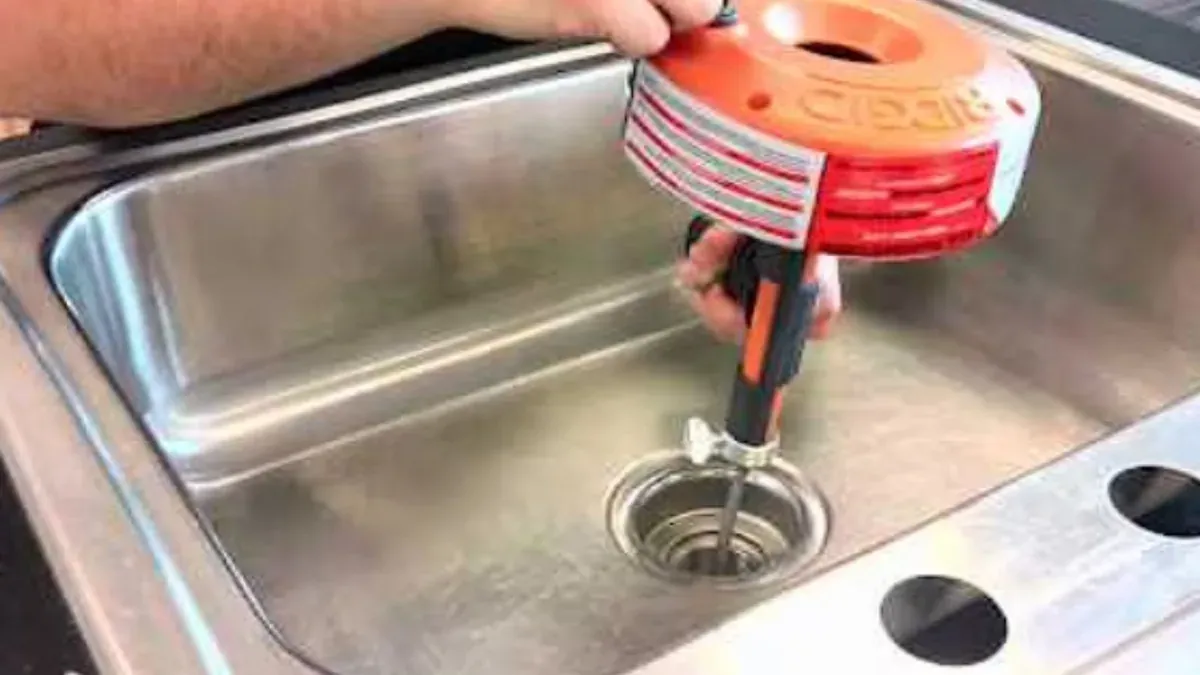
Call (855) 575-2890Snake, cable or jet: how we choose.
Not every clog needs the same machine. This is the decision path we follow in homes around Chillicothe.
| What you see. | Likely cause. | First step. | If that fails. |
|---|---|---|---|
| Slow kitchen sink, dishwasher drains poorly. | Grease and food film in the branch. | Hand auger or small cable through the trap arm. | Hydro jetting to strip the pipe wall. |
| Bathroom sink drains slowly, smells. | Hair and soap scum in the trap. | Remove and clean the trap, then cable the arm. | Cable with a larger cutting head. |
| Tub or shower drains over minutes. | Hair mat just below the strainer. | Pull the strainer and cable the tub drain. | Check the vent and the branch for a second blockage. |
| Basement floor drain backs up. | Main line blockage, roots or collapse. | Larger cable machine, then camera. | Sewer camera inspection and sewer line repair. |
| Every drain slow after heavy rain. | Shared lateral or storm infiltration. | Cable the main and inspect. | Locate the break with a camera. |
Clearing a clog and fixing why it formed are two different jobs. We tell you which one you are paying for before the work begins.
Kitchen sink clogs and the dishwasher connection.
Kitchen lines clog differently from bathroom lines because grease cools and sticks inside the pipe. Over months it narrows the line until a spoonful of rice stops it completely.
If the sink shares a drain with a dishwasher or a garbage disposal, a clog can push dirty water back up into the dishwasher tub. Check whether the water in the sink is gray and has food in it. That usually means the blockage is past the disposal and in the kitchen branch.
Running hot water and dish soap rarely clears a grease clog that has already hardened. A cable with a cutting head reaches it, and a jet finishes the wall of the pipe so it does not rebuild in a few weeks.
Shower and tub drains that will not clear.
A shower that pools around your ankles by the end of a rinse has a hair clog, a damaged drain stopper or both. Tub drains also hide a pop-up or lift-and-turn stopper that collects hair on its linkage.
We remove the stopper first, because pushing a cable past it can bend the linkage. If the water still sits after the stopper is clean, we cable the tub drain and the branch and run water for several minutes to confirm the flow.
A tub that drains fine but gurgles on the next floor down often has a vent problem rather than a clog. We check for that before we recommend anything bigger.
What happens on a drain cleaning visit.
Listen and locate.
We ask which fixtures are slow, when it started and what went down the drain. Then we confirm the blocked line by running water and watching what moves.
Choose the tool.
A trap and arm clog gets a hand auger. A longer run gets a cable machine. A line that clogs again gets a camera or a jet. You hear the plan first.
Clear and flush.
We cut through the blockage, then flush the line with several minutes of running water so loose debris does not settle again further downstream.
Test and explain.
We test every fixture on that branch, tell you what the blockage was made of, and say honestly whether it is likely to come back.
Drain line leaks and why a clean drain can still be wet.
Sometimes the sink drains fine but a cabinet floor stays damp or a ceiling below a bathroom stains. A cracked drain line, a loose slip joint or a failed tub drain gasket leaks only while water is running through it.
We run water through the fixture while looking at every joint. If the leak is inside a wall or the ceiling, our leak detection work uses moisture meters and acoustic tools to find it without opening more drywall than necessary.
Drains in a river-valley city.
Chillicothe sits between the Scioto River and Paint Creek, and the oldest blocks near downtown date back to a city founded in 1796. Homes on those streets can have cast iron, clay and plastic drain pipe joined in the same basement, and each material clogs in its own way.
If you live inside the city limits you are most likely on a municipal sewer. Homes in the townships around Chillicothe, including the road toward Kingston, often use a septic system instead. Tell the person on the phone which you have, because a septic tank that is full or an outlet filter that is blocked looks exactly like a clogged drain and should not be cabled.
What affects the price of a drain cleaning.
We quote a clear price before work begins. These are the things that move it.
- Where the clog sits. A trap or arm clog costs far less than a main line blockage that needs a large machine and extra time.
- The tool required. Hand augers, cable machines and hydro jetting each carry different equipment and time.
- Access. A cleanout near the wall is quick. A line with no cleanout may need a toilet pulled or a roof vent opened.
- After hours. A call at two in the morning costs more to staff than a Tuesday visit, and we say so when you call.
Homeowners insurance usually responds to sudden water damage rather than slow wear, so a drain that backed up and soaked a floor may be worth documenting with photos before cleanup. Ask your insurer what your policy covers for sewer or drain backup, since many policies exclude it unless an endorsement was added.
Codes behind a drain job.
Drain work in Ohio falls under the Ohio Plumbing Code, which is built on the International Plumbing Code (IPC). Replacing a trap, a cleanout or a section of drain pipe has to follow its slope and venting rules. Cabling and jetting an existing line do not change the layout, so they are maintenance rather than a code change. If drains keep backing up on a larger lot, as in Brewer Heights, ask about a camera look at the line.
Drain cleaning questions from Chillicothe homeowners.
.
Whether drain cleaning emergencies can be handled in the evening or on a weekend is confirmed when you call (855) 575-2890, and it is not promised in advance. Describe what is happening and ask what can be arranged. Meanwhile, stop running water into the affected drains.
.
We advise against it. Caustic cleaners can sit in a stopped pipe and burn fittings, and they put the next person who opens the trap at risk of a chemical splash. If you already poured some in, tell the plumber.
.
Air is being pulled through the toilet trap because the shared line is partly blocked or the vent is restricted. It is an early sign of a main line problem.
Do not wait for a full backup. A cable run and camera check at this stage is smaller than the one after sewage reaches the floor.
.
Snaking breaks through a clog. Jetting scours the pipe wall. A single stopped sink needs a snake. A line that keeps clogging or has heavy grease or roots usually benefits from a jetting visit after the first clear.
.
A clog itself does not crack a pipe, but standing water raises pressure at joints and can show weak spots in old cast iron. Repeated clogs in the same place often mean a belly, offset or root intrusion that a camera can confirm.