Why dish soap can help.
Dish soap acts as a lubricant. Poured into the bowl, it sinks to the trap and coats the blockage and the pipe wall, which can let a soft clog slide through. Hot water, not boiling, adds warmth that helps loosen fats and paper.
It works best on a blockage made of paper and waste that has packed in the trap. It does not dissolve solid objects, and it does little for a clog that sits in the main line.
How to try it without making a mess.
Stop the refill.
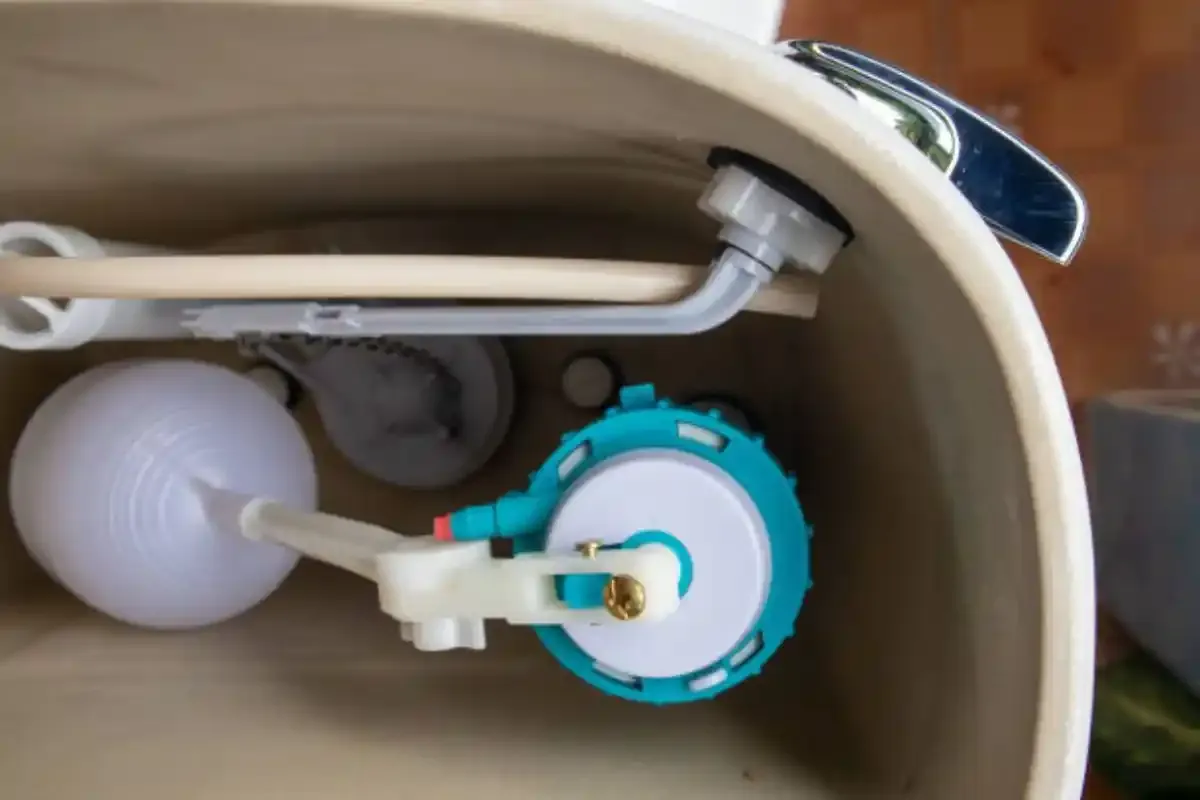
Lift the tank lid and close the flapper, or turn off the valve behind the toilet, so the bowl does not keep filling.
Check the water level.
If the bowl is nearly full, bail some out into a bucket first. Never add soap to a full bowl.
Add soap.
Pour about a quarter cup of dish soap into the bowl, aiming at the drain.
Add warm water.
Pour a bucket of warm water, not boiling, from waist height. Boiling water can crack porcelain.
Wait and plunge.
Give it 15 to 20 minutes, then use a flange plunger with steady pressure.
Toilet not clearing? Call and a plumber can be on the way.
Call (855) 575-2890When soap is not the answer.
Some signs mean stop and call.
| Sign. | What it suggests. | Next step. |
|---|---|---|
| Water rises when you flush the toilet and drains in another tub. | Main line blockage. | Stop using water. See sewer line cleaning. |
| Gurgling in other drains. | Partial main line blockage or a vent problem. | Call a plumber. |
| A toy or hard object went in. | Stuck object in the trap. | Closet auger or removal of the toilet. |
| Slow flush with no clear clog. | Clogged rim jets or low tank level. | Clean the jets, adjust the tank. |
| Repeated clogs. | A pipe problem or worn toilet. | See toilet repair. |
What to avoid.
Chemical drain cleaners are a poor choice for a toilet. They sit in the standing water, can damage the porcelain finish and the wax seal and put the next person with a plunger at risk of a splash. If you used one already, tell the plumber.
Do not flush repeatedly hoping it will clear. Each flush adds a tank of water to a bowl that cannot drain. Close the valve and start over with the steps above.
Plunger or auger: the right tool.
A flange plunger has a rubber extension that seals the toilet drain. Push slowly the first time to avoid splashing, then use firm, steady strokes. Eight to ten pushes should show progress.
If the plunger fails, a closet auger, a short cable with a bent tube, reaches farther into the trap. Feed it in gently and turn the handle. Do not use a drain snake from a hardware store directly in the bowl, since it can scratch the porcelain.
When it keeps happening.
A toilet that clogs every week has a reason. The trapway may be partly blocked by scale, the flush may be weak because of clogged rim jets, or the drain below may have a belly or root intrusion.
A camera shows which. Our drain cleaning page explains how we find the cause, and if the toilet itself is the problem, a replacement may be the better value.
Prevention that works.
Flush only toilet paper and human waste. Wipes labelled flushable, paper towels, feminine products and cotton swabs do not break down like toilet paper.
Keep a plunger and a bucket in the bathroom. A quick response to the first clog prevents most overflows.
Why some clogs ignore soap completely.
Soap helps with friction, and friction is rarely the problem when a child's toy or a hard object sits in the trap. The trapway in most toilets turns through a tight S shape, and anything with a hard edge catches there.
If someone in the house dropped something into the bowl before the clog, skip the soap. Close the valve, put on gloves and try to retrieve it with a closet auger or by hand if it is visible. Pushing it deeper makes the job larger.
Low-flow toilets from the 1990s are known for weak flushes. A model that clogs with ordinary use may simply be a poor design, and replacing it is cheaper than years of plunging.
What to tell the plumber on the phone.
A short description saves time. Say whether only one toilet is affected, whether other drains gurgle, whether anything unusual went into the bowl and what you have already tried.
If the house has more than one bathroom, say which floor the clogged toilet is on. A first-floor toilet that backs up into a basement drain points to the main line. A second-floor toilet that stops alone is more likely a local clog.
Standards behind the fixture.
Residential toilets are tested to the ASME A112.19.2 standard, and EPA WaterSense models use 1.28 gallons per flush or less. A lower-flow bowl has less water to push a blockage, which is one reason a soap-and-hot-water attempt sometimes works and a second flush then overflows. Treat the manufacturer's care guide as the rule for what your bowl tolerates.
Toilet clogs, septic tanks and water bills in Ross County.
Not every home near Chillicothe is on a municipal sewer. Many in the villages and townships around the city, including in Kingston, use septic tanks. Soap and warm water are fine in small amounts, but chemical cleaners can harm a septic tank's bacteria, and a clog that backs up several drains at once may mean the tank is full.
The Village of Kingston announced that water bills would rise starting January 1, 2026, because the Ross County Water Company raised the rate the village pays. A toilet that runs or needs repeated flushing costs more than it did last year. See our Kingston page for how we handle calls there.
Toilet clog questions from Chillicothe homeowners.
.
A quarter cup is generally fine. Repeated heavy use and chemical cleaners are the concern. Ask your septic service provider about your system.
.
Fifteen to twenty minutes. If nothing moves, plunge and then call.
.
No. Each flush adds water to a bowl that cannot drain, and the bowl can overflow.
Close the valve behind the toilet and try the soap method instead.
.
Boiling water can. Use hot tap water or a bucket of warm water instead.
.
Close the valve behind the toilet, towel up the water and call (855) 575-2890. Call and we talk through what is happening.